Marcus Aurelius’ Oscar’s Acceptance Speech (Book 1)
In the first book, Aurelius lays out paragraphs of different acknowledgments to various people he is thankful for in his life. At a glance it seems as though he is only thanking certain people for how they influenced his life and his moral character, but he also diverges into somehow setting parameters for him to follow. In other words, in how he states all the attributes of his biggest influences, he may be also stating traits of them that he doesn’t necessarily have yet but is striving toward. Aurelius states
“Strength of character—and endurance or sobriety as the case may be–signifies the man of full and indomitable spirit, as was shown by Maximus in his illness.”
Meditations, 8
Overall, the first book serves as a way for Aurelius to both introduce the readers to the different influences in shaping his character, as well as perhaps providing a rubric for how he should be; as well as providing reasons for why he is the way he is.

How to be happy: YOLO (Book 2)
This book appears to hold the idea that despite all the problems in life, people should try to remember all the good things in life and not to allow any of the bad things to harm their daily life. Some of the bad things include “people who are meddling, ungrateful, aggressive, treacherous, malicious, unsocial.” (Aurelius 10). In order to combat these ‘evils’, Aurelius suggests to
“Think as if you were on the point of death: ‘you are old; don’t then let this directing mind of yours be enslaved any longer…”
Meditations, 10
Therefore, in order to live without the evils of life clouding your judgment and restricting happiness, Aurelius believes that people should seize the day, and try to understand the value of life, and in doing so, understanding that existence isn’t permanent.
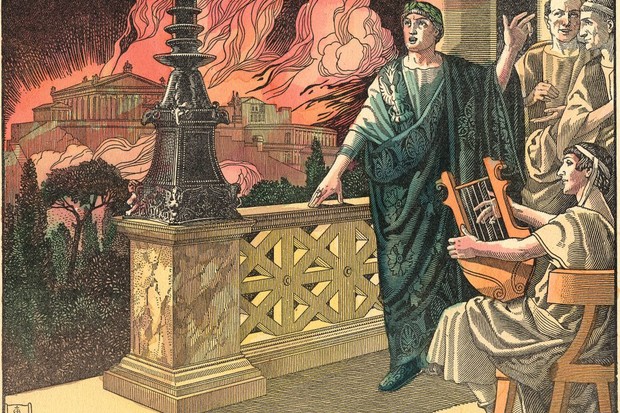
How to be a good leader—Like Nero? (Book 3)
Book three is a continuation of some of the same thoughts present in Book 2. But more than happiness, the focus is on being a good person; the best version of yourself. There is also a sense of urgency presented in this chapter, that the time to become the best version of yourself is now, rather than later when you may be plagued with various old age diseases that prohibits your personal growth. Aurelius states
“Do not waste the remaining part of your life in thoughts about other people, when you are not thinking with reference to some aspect of the common good.”
Meditations, 17
Aurelius emphasizes the importance of thinking of the greater good rather than focusing on isolated situations and the self. In this way, Aurelius hopes for people to
“let the god that is within you be the champion of the being you are…your duty is to stand straight—not held straight.”
Meditations, 19
In this way, Aurelius, more than just educating the average person, is moving toward explaining how to become a good and just leader.
 Meditations--Marcus Aurelius